
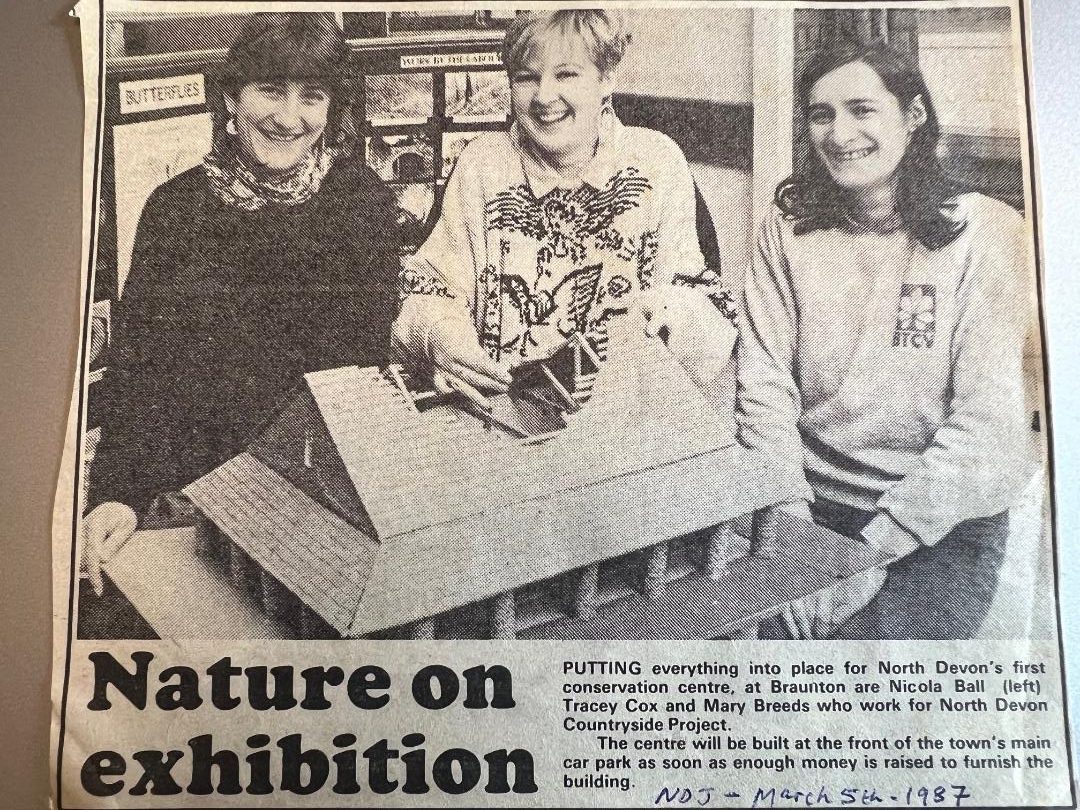
 Braunton Countryside Centre was built in 1988-1989 by a construction team that was part ofthe Ilfracombe Community Programme, a project funded by the government’s Manpower Services Commission.
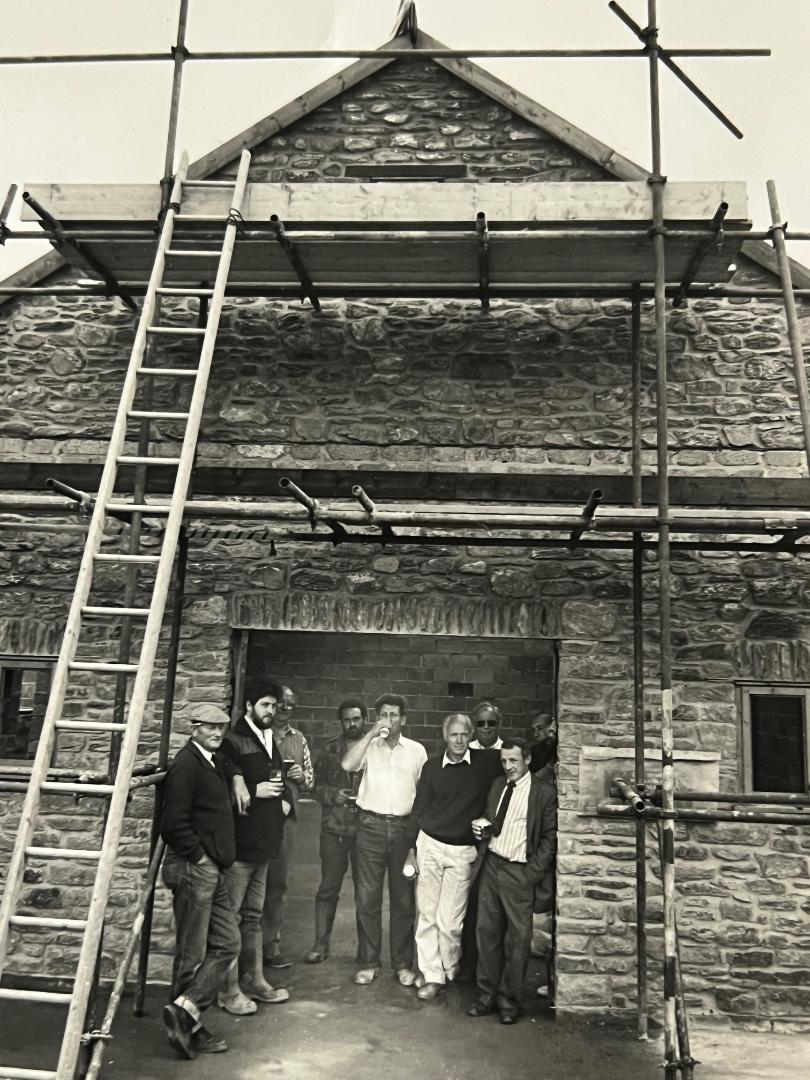 The idea for an environmental interpretation Centre in Braunton was first proposed in 1982, in a report by Devon County Council titled Braunton Great Field and Marshes, which highlighted both the historical and wildlife importance of the special landscape surrounding Braunton. The building was designed to resemble a rustic-looking ‘linhay’ – the name given to cattle shelters on Braunton Marsh.
The North Devon Environmental Trust (NDET) was established in 1987 to manage the Centre and enable a 99-year lease to be drawn up with the landowners — Braunton Parish Council. The Centre opened in 1989 but lacked any core funding for its running costs. For a short time, a small bicycle hire scheme operated from the Centre; Braunton Tourist Information was also temporarily housed in the Centre until it finally moved to the Braunton Museum building. In these early days, the NDET struggled to find trustees and as a result, the trustees of North Devon Dartington Trust became the corporate trustees of NDET. In 2008, NDET successfully formed its own board of trustees.
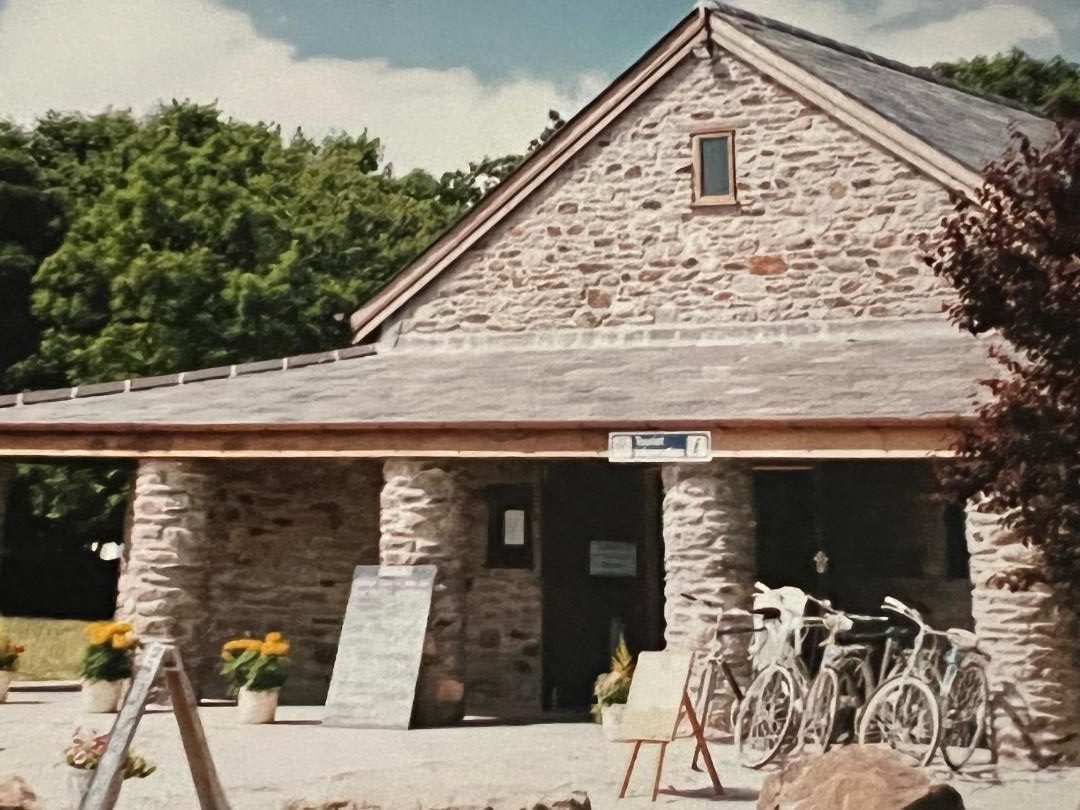
In 2001, funding was obtained from the Key Fund to commission Blue Sky to construct the main displays around the Centre. Funding also included the first set of chairs — these enabled the start of the Centre’s popular, annual summer and autumn talk programmes, which ran for over 20 years and became a real highlight of Braunton’s year. At their peak, these events were funding more than half the annual running costs of the Centre, with up to 17 consecutive weekly talks on varied topics such as Henry Williamson, Braunton’s Maritime History, Wildlife of Braunton Burrows and Marshes, Birdlife of the Estuary, Devon’s Hedges, Marine Life and much more.
From 2013, NDET trustees applied for funding from Fullabrook CIC and other funders, drawing up plans to carry out much-needed improvements to the Centre. Between 2016 and 2020, several successful funding applications enabled a series of major improvements to the Centre, resulting in a much lighter, warmer and more attractive building.
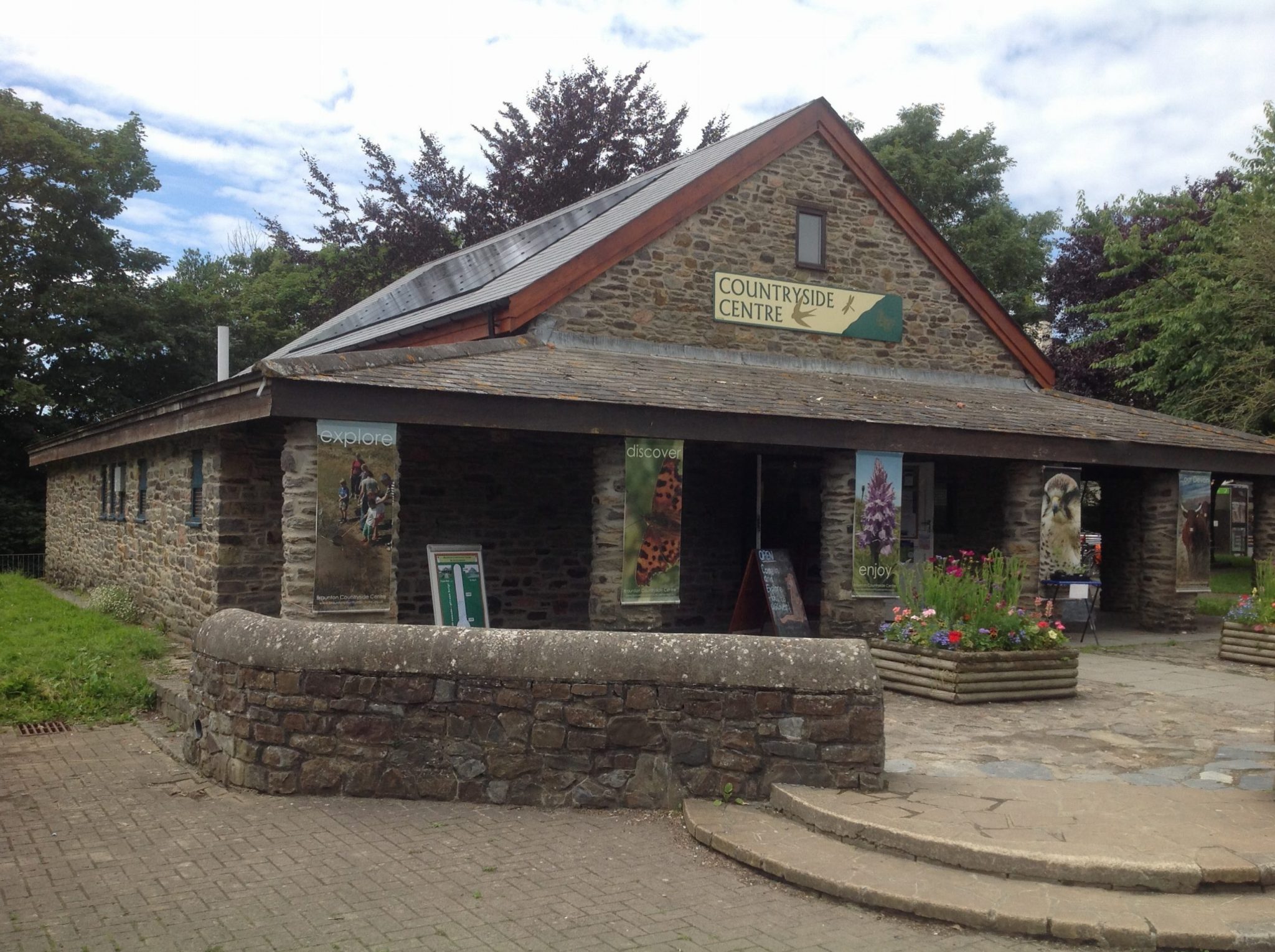
The Braunton Countryside Centre before redevelopment
During 2016, successful funding paid for a new roof along with solar panels and Velux windows. The most transformative improvements took place in 2017; these included the glazing in of the outer area between the pillars at the front of the Centre and the installation of an air source heat pump. Until then, the building had no heating and therefore had to remain closed every winter. The new heating allows the Centre to be open and fully functional all year round. The updated Centre was celebrated at a grand reception and Braunton Parish Council chairman Derrick Spear unveiled a plaque.
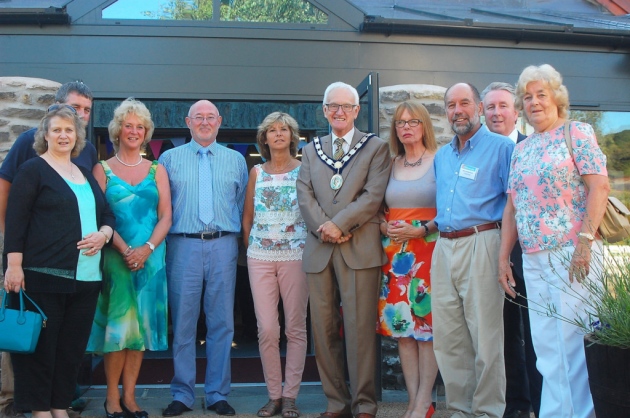
Unveiling the updated Braunton Countryside Centre
Fundraising continued, and in 2018, the small meeting room was refurbished with a new kitchen area and new flooring. In 2019, the toilets were upgraded, making them more accessible. In 2020, successful grant funding, along with a small legacy, paid for the installation of new audio-visual equipment and a large drop-down screen.
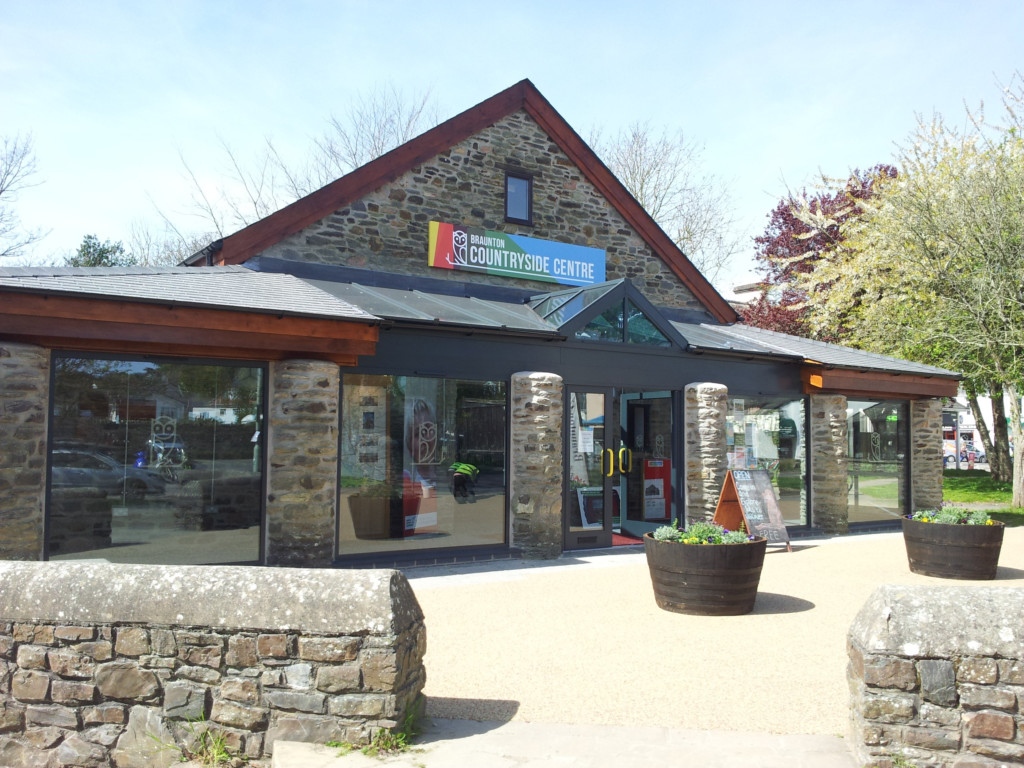
The Centre today
In 2022, the Centre was successful with an application to the National Lottery Heritage Fund for the two-year funding of the Connect2Nature project. This enabled us, for the first time, to employ a full-time Project Officer and part-time Project Assistant who organised over a hundred events, significantly raising the Centre’s profile. It also funded new equipment for activities such as microscopes, binoculars and bat detectors, along with the creation of a purpose-built shop area which continues to boost the Centre’s income from its sales of nature-themed gifts, books and educational materials.
The Centre is unusual in that it has always been managed by a team of volunteers, but this is also one of the Centre’s main strengths and has enabled it to become the successful and vibrant environmental hub that it is today. Volunteers bring a wealth of expertise to the Centre, including respected botanists and ecologists and experts on bats, reptiles, marine life and geology.